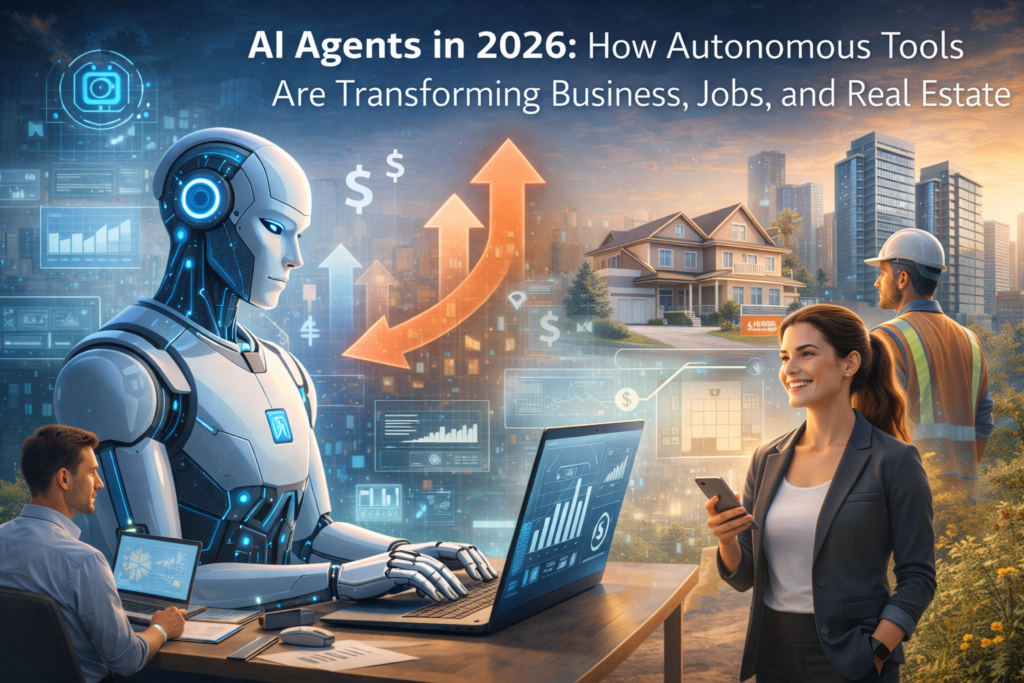

Intro: Why AI matters for your money in 2026
AI-driven tools are no longer niche — they’re central to how people budget, invest, and manage credit. In 2026 the difference between a good financial app and a great one is often the quality of its AI: personalized insights, automated workflows, and faster fraud detection.
Key ways AI is reshaping personal finance
AI is changing behavior and outcomes across every area of money management. The most visible changes include:
- Personalized budgeting: Apps analyze spending patterns and predict upcoming expenses to create flexible, behavior-based budgets.
- Smarter saving: Auto-sweep and round-up features use AI to move small amounts to savings when cash flow looks safe.
- Automated investing: Robo-advisors and AI ETFs offer portfolio rebalancing, tax-loss harvesting, and risk adjustments in real time.
- Credit optimization: AI models find opportunities to lower borrowing costs, negotiate rates, or suggest refinancing when beneficial.
- Fraud detection: Machine learning flags unusual transactions faster, reducing exposure to scams and identity theft.
- Personalized financial coaching: Chatbots and virtual advisors deliver contextual advice and nudges tailored to goals and behavior.
Practical steps to use AI safely for your money
AI can help—but misuse or low-quality models create risks. Follow these practical steps:
- Choose reputable providers: Look for well-known fintech brands or apps with transparent privacy policies and user reviews.
- Check data permissions: Limit access to only the accounts needed and review permissions regularly.
- Enable multi-factor authentication: Use MFA on all financial apps to protect accounts.
- Understand recommendations: Treat AI suggestions as guidance, not guarantees. Ask how an app arrives at recommendations when possible.
- Keep backups: Maintain offline records of important documents and statements in case of service outages.
How to get started with AI tools (quick checklist)
Ready to try AI-enhanced finance? Use this checklist to start responsibly:
- Identify one goal: save for emergency fund, reduce debt, or optimize investments.
- Compare two trusted apps that focus on that goal (read privacy and fee disclosures).
- Start with read-only connections where available, then enable limited automation if comfortable.
- Review AI recommendations weekly for the first month to ensure they match your situation.
- Adjust privacy settings and revoke access you don’t use.
Top AI features to look for in 2026
When evaluating apps, these AI-driven features are most valuable:
- Predictive cash flow forecasts that highlight upcoming shortfalls
- Automated savings rules tied to salary, bills, or spending patterns
- Real-time fraud alerts with clear remediation steps
- Portfolio rebalancing with tax-aware logic
- Context-aware coaching—tips that respond to life events (job change, relocation)
Risks and how to mitigate them
AI tools can introduce new risks if left unchecked. Common issues and mitigations:
- Over-reliance: Don’t follow automated trades or credit moves without understanding impact. Mitigate by reviewing major changes manually.
- Privacy leakage: Avoid apps that require unnecessary data. Read data-sharing terms carefully.
- Bias and fairness: Some AI models may not serve all groups equally. Seek tools with clear fairness commitments or opt for human guidance when needed.
What this means for investors and consumers
For everyday consumers, AI means better, more convenient tools that can lower costs and improve outcomes. For investors, it creates opportunities to access advanced strategies previously available only to institutions. Both groups should balance convenience with control and stay informed about how their data is used.
Final tips
Start small, prioritize security, and use AI to enhance—not replace—your financial judgment. Keep learning: follow trusted finance and technology news as AI capabilities evolve rapidly.
Disclaimer: This article is informational only and not financial advice. Consult a licensed professional before making major financial decisions.