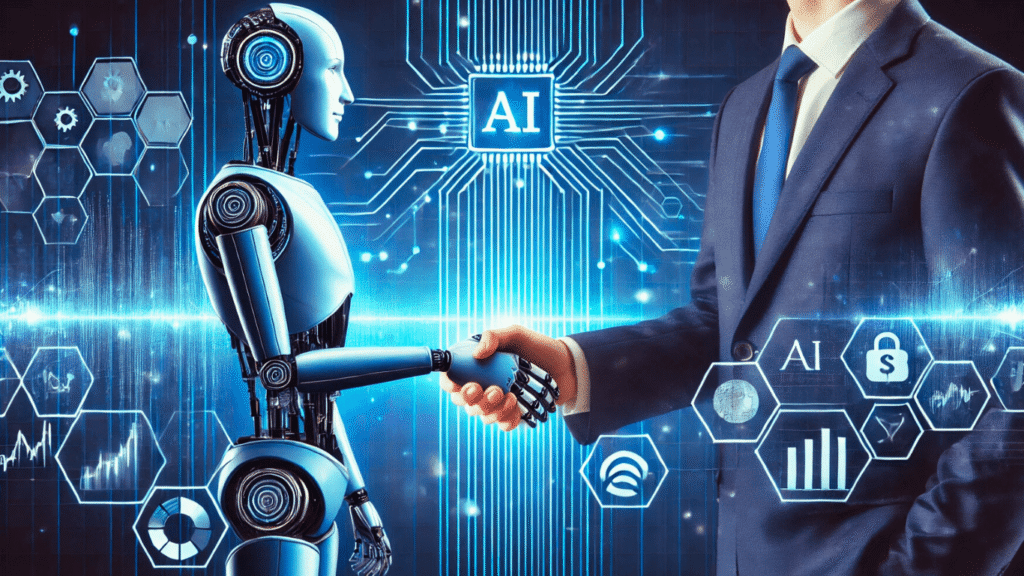

Why 2026 Is a Turning Point for Software
Software development is rapidly shifting from feature-driven releases to intelligent, platform-centric experiences. In 2026, AI integration, distributed computing, and developer productivity tools converge to redefine how products are built and monetized.
Top AI-Powered Software Trends to Watch
These trends are driving product decisions, hiring, and ad monetization strategies across startups and enterprises.
1. Generative AI in Product Workflows
Generative models are no longer experimental. They assist in code generation, content creation, design iteration, and data augmentation—reducing time-to-market and increasing personalization.
2. Edge and Distributed Computing
Edge computing reduces latency for real-time applications (AR/VR, IoT, and inference at the edge). Expect hybrid architectures that balance cloud scalability with edge responsiveness.
3. Cloud-Native, Serverless, and Platform Abstractions
Teams prefer serverless functions, managed data services, and Kubernetes abstractions to focus on product logic instead of infrastructure.
4. Low-Code and Citizen Development
Low-code platforms democratize software creation, empowering domain experts to deliver internal tools and prototypes faster—while increasing the need for governance and security controls.
5. AI-First Security and Observability
Security tools leverage AI for anomaly detection, automated remediation, and threat prioritization. Observability platforms use machine learning to surface actionable insights.
6. Ethical AI and Responsible Deployment
Regulatory pressure and user expectations make bias mitigation, explainability, and data governance critical for product acceptance.
How These Trends Impact Monetization and AdSense
- Personalized user experiences increase engagement metrics favored by Google Discover algorithms.
- Faster product iteration enables more A/B testing of content and ad placements, improving CPM and CTR.
- AI-driven content generation can scale editorial output—but quality and human review are essential to avoid low-value content penalties.
- Edge-driven performance reduces page load times, a key factor for Discover and search ranking.
Practical Adoption Checklist
- Audit current stack: identify components ready for AI augmentation or migration to serverless.
- Prioritize use cases: start with high-impact, low-risk features like developer tools, summaries, or internal automation.
- Implement guardrails: privacy, model explainability, and monitoring from day one.
- Measure UX metrics: time-on-task, retention, page speed, and ad engagement to validate ROI.
Tools and Platforms to Explore
- Generative AI APIs and fine-tuning platforms for product-specific models.
- Managed Kubernetes, serverless offerings, and edge providers for hybrid deployment.
- Low-code platforms with enterprise governance for internal apps.
- AI-powered observability and security suites for proactive monitoring.
SEO and Google Discover Tips
- Focus on evergreen and timely content balance: cover trends with clear takeaways and practical steps.
- Optimize for page experience: fast load times, responsive images, and minimal CLS improve Discover eligibility.
- Use concise, well-structured headings and short paragraphs—Google Discover rewards readability and scannability.
- Monitor engagement signals (clicks, dwell time, returning visitors) to refine topics and ad placements.
Final Recommendations
Adopt a phased approach: prototype AI features, validate with users, and scale with robust monitoring. Prioritize performance and content quality to maximize visibility on Google Discover and revenue from AdSense.
Staying informed about platform changes, regulatory developments, and emerging tooling will help teams convert these software trends into competitive advantage in 2026.