Why AI Is a Game Changer in Sports
Artificial intelligence is no longer a novelty in sports. Teams, coaches, and athletes use AI to sharpen training, reduce injuries, and extract performance gains from data. This article breaks down the most impactful uses and what fans and organizations should watch next.
Key ways AI improves training
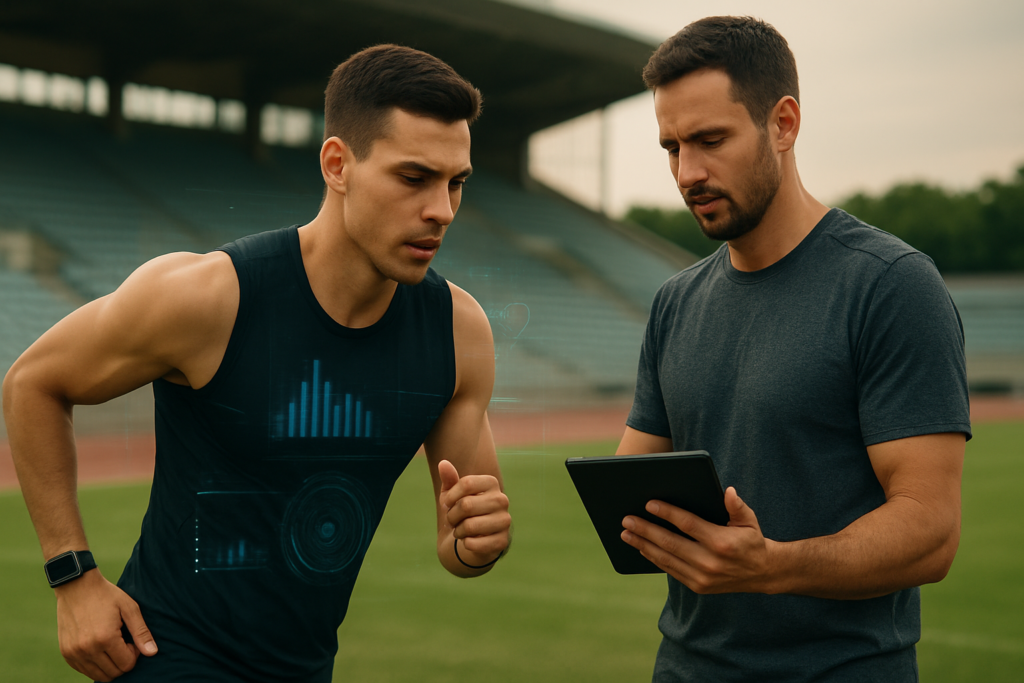
AI-driven tools accelerate progress by personalizing athlete programs and providing real-time feedback. The tech blends sensors, computer vision, and machine learning to create smarter practice sessions.
- Personalized workout plans tailored to an athlete’s strengths and weaknesses.
- Movement analysis using computer vision to refine technique and reduce inefficiencies.
- Real-time biofeedback from wearables to optimize load and recovery.
- Automated session adjustments based on fatigue and performance metrics.
Injury prevention and faster recovery
One of AI’s clearest benefits is predicting and preventing injuries. By analyzing biomechanical data and historical trends, AI models flag risk patterns before they lead to time-loss injuries.
- Early detection of abnormal movement patterns linked to injury risk.
- Load-management recommendations to balance training stress and recovery.
- Rehabilitation progress tracking with objective milestones.
Performance analytics and game strategy
AI elevates tactical preparation by turning large datasets into actionable insights. Coaches use advanced analytics for opponent scouting, lineup optimization, and in-game adjustments.
- Predictive models that forecast opponent tendencies and play success rates.
- Player value metrics beyond traditional stats to better inform roster decisions.
- Video analysis tools that speed up scouting and highlight patterns missed by the naked eye.
Real-time coaching and decision support
During training and competitions, AI systems can deliver live insights that aid coaching decisions. This includes substitution timing, tactical switches, and individualized instructions delivered via tablets or headsets.
What fans and media will notice
AI-driven storytelling improves fan engagement. Expect smarter highlights, context-rich graphics, and predictive pregame narratives that explain why certain matchups matter.
- Enhanced broadcast graphics showing expected outcomes and player impact.
- Interactive content and personalized highlight reels for fans.
- Deeper analytics coverage that surfaces underlying trends rather than just scores.
How teams are adopting AI today
Adoption varies by budget and sport, but common entry points include wearables, video analysis platforms, and cloud analytics. Smaller clubs often start with off-the-shelf tools, while elite programs build custom models.
- Wearable sensors for workload and physiological monitoring.
- Computer vision systems for tactical and technical analysis.
- Cloud-based dashboards that centralize performance, medical, and scouting data.
Practical considerations and limitations
AI is powerful but not infallible. Data quality, model bias, and integration into coaching workflows determine success. Privacy and data security are also critical when handling athlete health data.
- High-quality, consistent data is essential for reliable models.
- Human oversight remains crucial to interpret model outputs.
- Ethical use and secure storage of personal health data must be prioritized.
Quick takeaways
- AI enhances training, reduces injury risk, and sharpens strategy through actionable insights.
- Adoption is accelerating across pro and amateur levels via wearables and video analytics.
- Successful use depends on data quality, coach buy-in, and responsible data governance.
As AI tools become more accessible, expect faster athlete development, smarter broadcasts, and richer fan experiences. Teams that combine human expertise with AI insights will likely gain a competitive edge.