
Why AI Wearables Matter Now
AI wearables are changing sports fast. They give real data in real time. Coaches and athletes now get simple, clear feedback. As a result, training is smarter. Also, recovery is better. Fans get new insights too.
Short overview
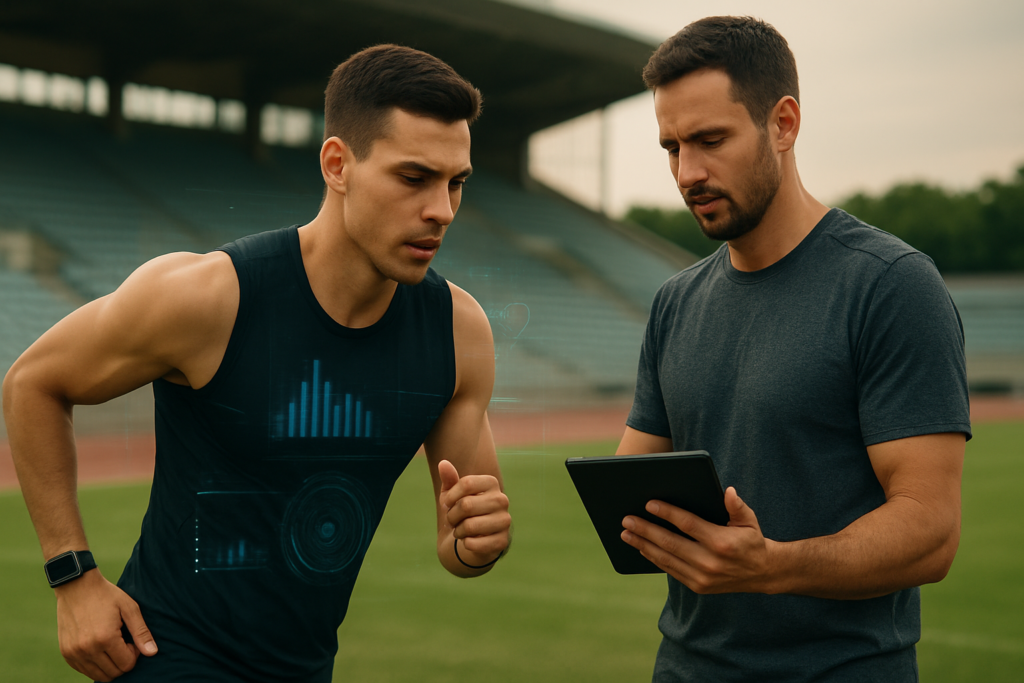
These devices track speed, heart rate, load, and more. Then AI turns the data into steps to follow. The tools are small. They are easy to use. So teams of all sizes can adopt them.
Key benefits for athletes and teams
- Better performance: AI spots weak points. Then athletes can fix them.
- Faster recovery: The tech tracks fatigue. Thus, trainers avoid overwork.
- Less injury: Patterns show risk. As a result, coaches adjust load.
- Clear coaching: Data turns into simple advice. So plans are easier to follow.
- Scouting edge: Teams find talent with objective metrics.
Real-world examples
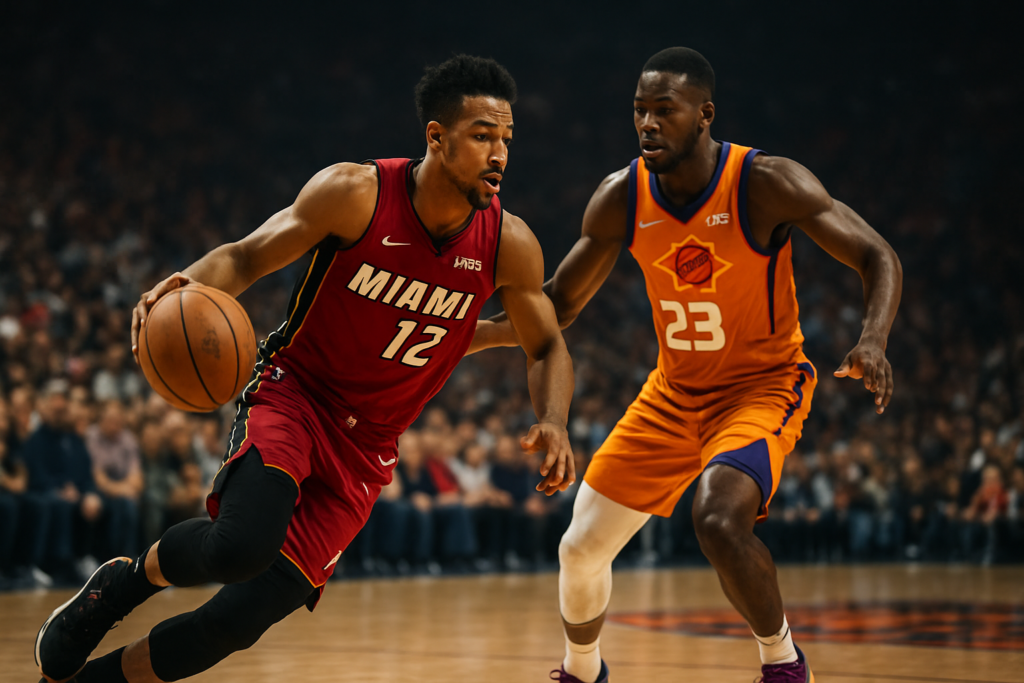
Many pro teams now use wearables. For instance, soccer squads use them in training sessions. They track sprint bursts and step count. Then AI tells coaches when to rest a player. Similarly, basketball teams monitor jump load. This lowers injury risk.
Case snapshot
- Pro team: Cut minor injuries by 20% in one season.
- College program: Improved sprint times after 8 weeks.
- Individual athlete: Shorter rehab by following AI recovery cues.
How teams use AI wearables today
First, they collect data in every practice. Next, they use AI to find patterns. Then, they set daily goals. Finally, staff review simple reports. The process is fast. It fits busy schedules.
Typical workflow
- Wear sensors during training.
- Upload data to a secure app.
- AI analyzes load, sleep, and heart rate.
- Coach gets action items in plain language.
Quick tips for athletes
Whether you are pro or amateur, these tips help. First, start small. Use one device. Then learn one metric at a time. Also, keep devices clean and charged. Finally, pair data with coach feedback.
- Track one goal for 4 weeks.
- Ask a coach to review your report weekly.
- Rest when the wearable reports high load.
- Use sleep and nutrition data to guide recovery.
What coaches and trainers should know
Coaches must focus on clear actions. Data is helpful only when it leads to a step. Also, privacy matters. So secure data and get consent. Finally, blend AI advice with human insight. Technology helps, but people decide.
What fans can expect
Fans will see new stats live. Also, broadcasters may show recovery or load metrics. This adds a new layer to game coverage. However, expect limits. Some data stays private to protect players.
Common concerns and how to handle them
- Privacy: Use secure platforms and clear consent forms.
- Cost: Start with basic devices. Upgrade later.
- Data overload: Focus on a few key metrics.
- Trust: Validate AI suggestions with human checks.
What comes next
In the near term, sensors will get cheaper and more accurate. Then small clubs will adopt them too. Also, expect better AI that personalizes plans. Finally, more live insights will reach fans and media.
Final takeaways
AI wearables change how athletes train. They boost performance. They cut injury risk. They speed recovery. So teams and players who use them gain an edge. Meanwhile, fans get new ways to follow the sport. Start small. Learn fast. Then adapt your plan based on real data.
Want a simple start? Pick one wearable. Track one goal. Then review results after four weeks.