Why the Next-Gen Smartwatch 2026 Matters
The 2026 smartwatch lineup brings notable improvements in battery technology, health sensors, and smart AI features. Whether you want longer battery life, better fitness tracking, or easier daily shortcuts, these watches aim to make wearables more useful.
What’s New in 2026 Models
Manufacturers focused on three big upgrades this year:
- Improved battery cells and low-power chips for multi-day use.
- Advanced health sensors (SpO2, skin temperature, continuous heart rhythm analysis).
- On-device AI for smarter notifications, voice replies, and watch-face customization.
Design and Display
Expect thinner bezels, brighter OLED/AMOLED screens, and tougher glass. Many brands now offer more color and strap options without compromising battery efficiency.
Battery Life & Charging
Battery life varies by use case, but typical improvements include:
- Normal use: 2–5 days on a single charge for full-feature smartwatches.
- Power-save modes: up to 10–14 days when limiting background sensors.
- Faster charging: 10–30 minute boosts for a full day of use.
Health & Fitness Tracking
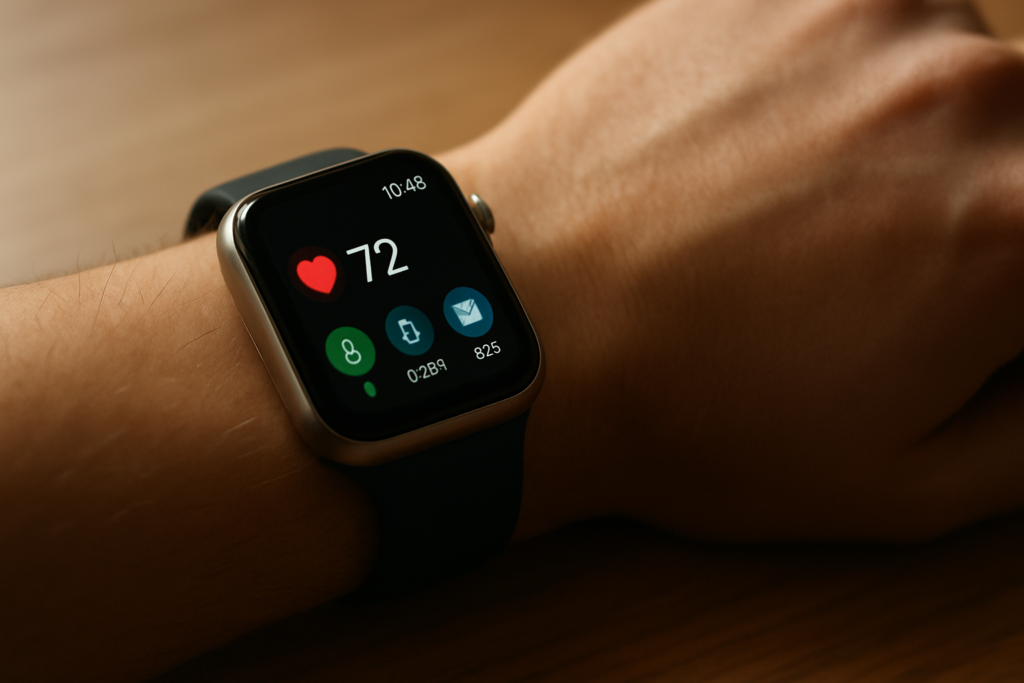
2026 models emphasize continuous health monitoring. New algorithms reduce false alerts and give clearer trends over weeks.
- Continuous heart rate and improved arrhythmia detection.
- SpO2 and skin temperature tracking for sleep and recovery insights.
- Auto workout detection and more accurate calorie estimates.
Smart Features and AI
On-device AI changes how watches handle tasks. Expect better voice replies, predictive actions, and context-aware notifications that reduce clutter.
Connectivity
Many watches offer LTE options, enhanced Bluetooth, and improved GPS accuracy for outdoor activities. Standalone apps are more capable, letting you leave your phone behind on short runs.
Pros and Cons
- Pros: Longer battery, richer health data, smarter on-device AI.
- Cons: Higher price tiers for premium models, incremental design changes for some brands.
Buying Guide: How to Choose
Focus on real-world priorities rather than specs alone. Use this quick checklist:
- Battery life you can live with (2+ days recommended for active users).
- Health sensors important to you (ECG, SpO2, temp).
- Compatibility with your phone and favorite apps.
- Durability: water resistance and scratch-resistant glass.
- Price vs. features: mid-range models often give the best value.
Where to Buy and Price Ranges
Expect wide availability from brand stores, major retailers, and online marketplaces. Typical price tiers:
- Budget: $99–$199 — essential features, simpler sensors.
- Mid-range: $199–$349 — most users’ sweet spot with reliable sensors and good battery.
- Premium: $349+ — advanced sensors, LTE, luxury materials.
Quick Tips to Get the Most
- Enable power-save modes overnight to extend battery life.
- Use official or high-quality third-party straps for comfort and skin health.
- Update firmware as soon as updates arrive — they often improve accuracy and battery flow.
- Compare real-world reviews for battery numbers rather than just manufacturer claims.
Final Verdict
The Next-Gen Smartwatch 2026 lineup is a meaningful upgrade for users who value better battery life and improved health analytics. Choose a model that matches your daily routine and budget, and you’ll get a wearable that feels more helpful than ever.