
Why wearables matter now
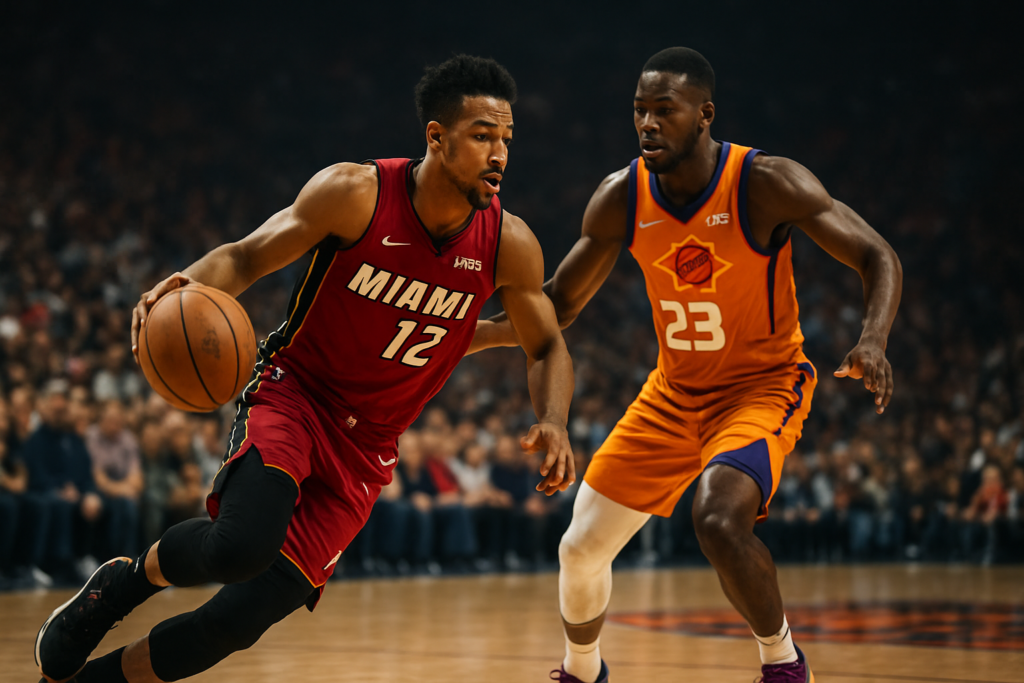
Wearables are everywhere in sport. First, they track motion and vitals. Next, they turn data into clear signals. As a result, teams and athletes train smarter. Also, they spot injury risk early. In short, wearables are changing how we train.
What wearables do
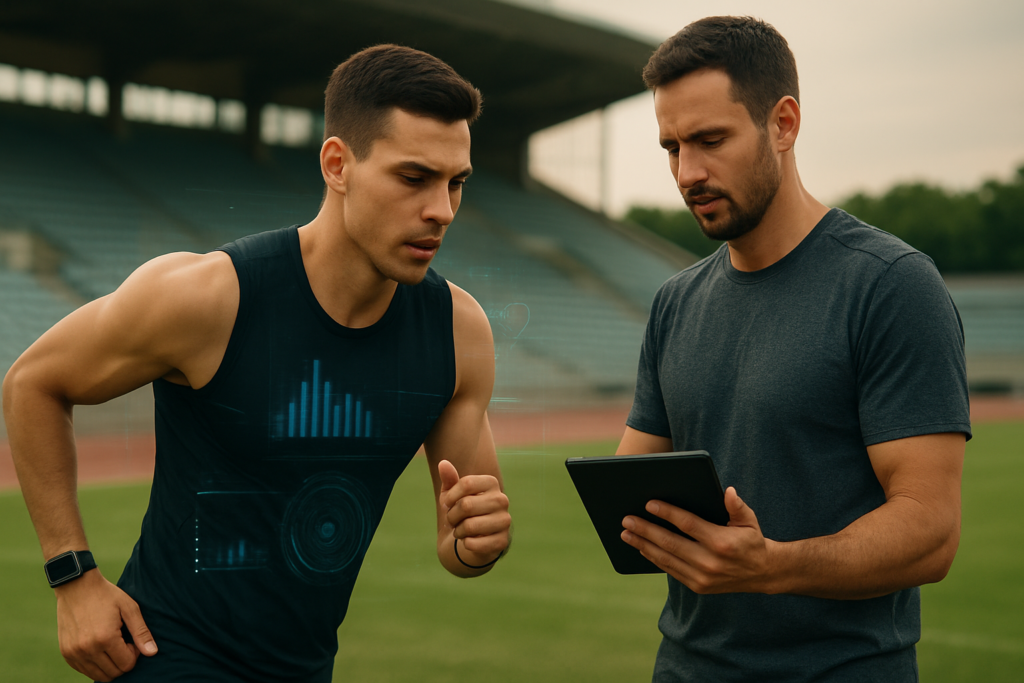
Wearables collect many types of data. They keep the process simple. Coaches then use that data to make fast choices.
- Heart rate and variability.
- GPS distance and speed.
- Acceleration and load.
- Sleep and recovery metrics.
- Muscle strain and posture data.
Top devices and tools
Many devices work well today. They fit both pro and amateur needs. Here are common categories.
- Wrist trackers: simple and portable.
- Chest straps: accurate heart data.
- GPS vests: used in team sports.
- Smart clothing: built-in sensors.
- Recovery devices: measure sleep and readiness.
Benefits for players and teams
Wearables add clear value. They help in many ways.
- Improve performance with data-led drills.
- Reduce injuries by monitoring load.
- Personalize training for each athlete.
- Speed up return-to-play decisions.
- Track progress over weeks and months.
How coaches use the data
Coaches get short and clear reports. Then, they change sessions fast. Also, they can rest key players when numbers spike. In addition, they plan recovery days based on sleep and load.
Practical steps coaches take
- Set baselines in pre-season.
- Monitor acute vs. chronic load.
- Flag sudden drops in wellness scores.
- Use video to pair with sensor data.
Risks and privacy
However, wearables bring risks. Data privacy is top. Also, bad data can mislead. Therefore, teams must act with care.
- Secure data storage is a must.
- Clear consent rules for athletes.
- Use vetted devices and suppliers.
- Train staff to read and apply data correctly.
Tips for athletes
If you use wearables, start simple. First, choose one reliable device. Next, learn the key metrics. Finally, discuss results with your coach or trainer.
- Focus on consistency over time.
- Prioritize sleep and recovery data.
- Don’t obsess over every number.
- Use data to guide effort, not replace feel.
Trends to watch
New trends are moving fast. Also, AI now helps read signals. Sensor tech keeps shrinking. Thus, expect smarter gear and clearer insights.
- AI models that predict injury risk.
- Integration with video and biomechanics.
- Smarter recovery tools and wearables.
- Affordable options for youth sports.
Quick case: a simple win
A soccer team tracked player load for six weeks. They found two players with high spikes. As a result, the coach cut their training load. Next week, both felt better. The team then avoided two likely injuries. Small changes made a big difference.
Conclusion
Wearables are not a fad. Instead, they are tools that add real value. They help coaches plan. They help athletes recover. Also, they make training safer and smarter. Start small. Learn the key metrics. Then, build a data habit for long-term gain.